
Pharmacy Study Programme
To become a leading provider of undergraduate pharmacy education that integrates the advancement of pharmaceutical science with Islamic values and Indonesia’s cultural wisdom, enabling competitiveness at the national and international levels.
- To provide high-quality undergraduate pharmacy education founded on Islamic values and Indonesia’s cultural wisdom.
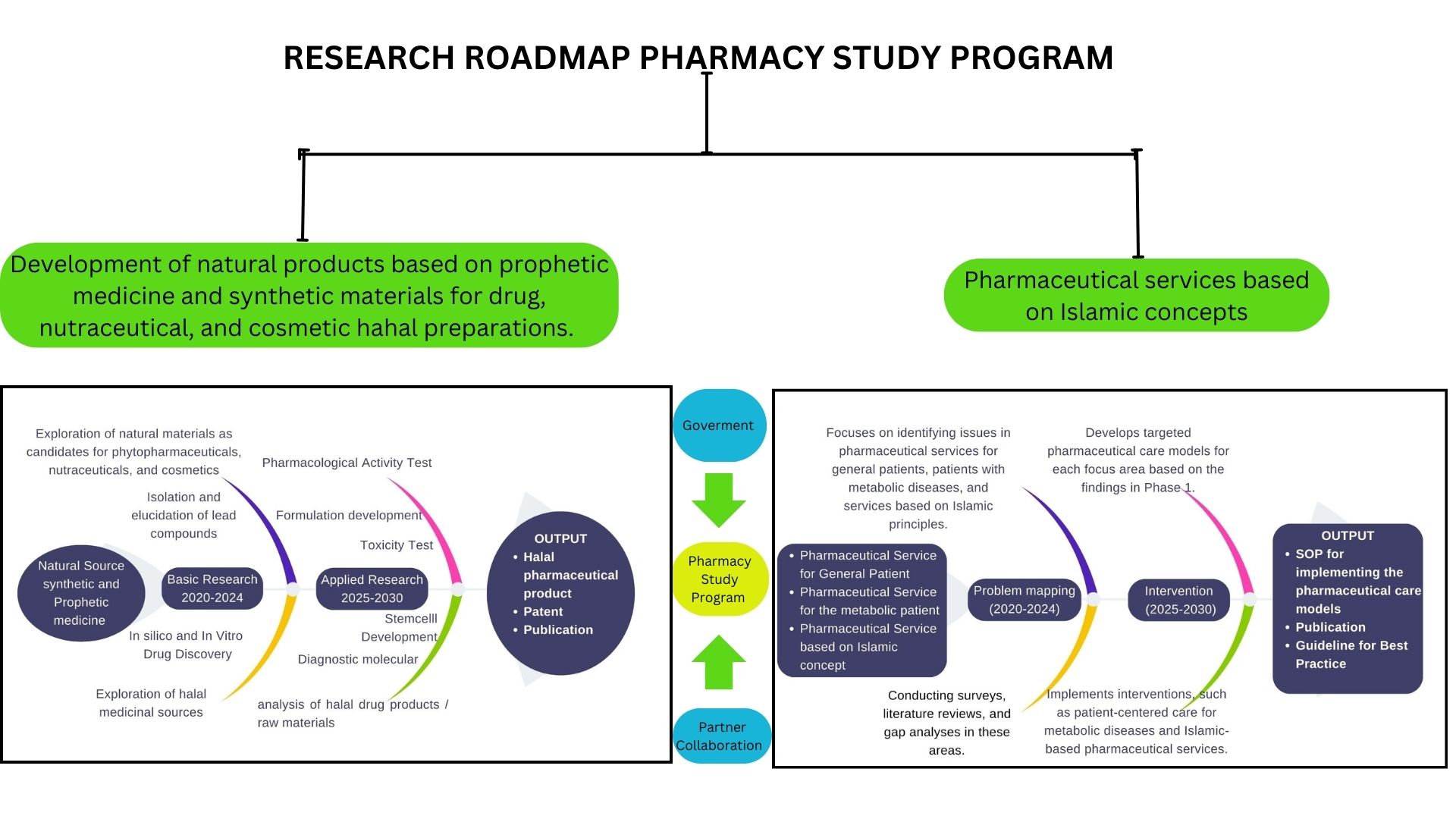
- To conduct research in pharmacy which utilizes Indonesia’s natural resources and meets halal requirements.
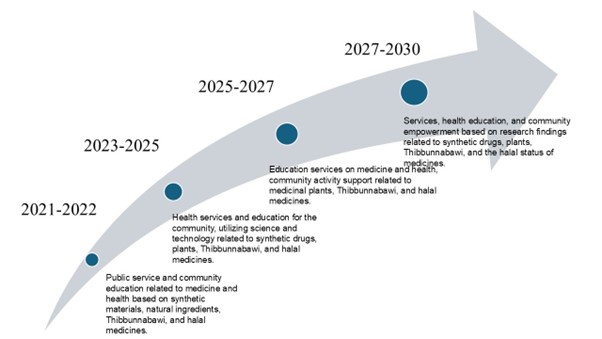
- To implement community service activities based on research findings in the field of pharmacy.
- To establish productive and sustainable collaborations with national and international pharmaceutical institutions to strengthen the Tri Dharma of Higher Education.
- To provide opportunities for graduates of madrasahs and Islamic boarding schools (pesantren) to pursue high-quality higher education in pharmacy.
To produce Bachelor of Pharmacy graduates with a global reputation, distinguished by the integration of Islamic knowledge, Indonesian values, and scientific excellence as well as by the competency across various pharmaceutical work settings.
Graduates of the Pharmacy Study Programme are Bachelors of Pharmacy who possess faith, piety, and commitment to lifelong learning and professional development. They are proficient in various pharmaceutical settings, demonstrate strong leadership and decision-making skills, and exhibit creativity and innovation in professional practice. They communicate professionally, provide compassionate service, and willingly share expertise with future generations. They also apply a holistic Islamic approach to health maintenance, disease treatment, and the promotion of well-being.
Graduates are able to:
- Demonstrate devotion to Almighty God and uphold humanitarian values in performing pharmaceutical duties.
- Demonstrate a spirit of nationalism through collaborations and contribution to the life of the nation and the state.
- Demonstrate respect for the law, discipline, and responsibility, and internalize values, norms, and academic ethics within society and the state.
- Work independently and systematically, conduct documentation and evaluation, make appropriate decisions, and generate solutions and ideas in the field of pharmacy.
- Design, conduct, and report research to advance pharmaceutical science.
- Collaborate and build networks to develop entrepreneurial ideas, professional careers, and self-development in the field of pharmacy, and communicate effectively in Indonesian, English, and Arabic.
- Recite the Qur’an and practice Islamic worship.
- Identify and solve drug-related problems using evidence-based approaches in the design, preparation, distribution, management, and/or service of pharmaceutical preparations to optimize therapeutic outcomes.
- Critically search, analyze, and organize pharmaceutical information and communicate it effectively to individuals and communities.
- Perform pharmaceutical duties under the supervision of a pharmacist responsibly and in accordance with applicable laws and professional ethics.
- Apply a comprehensive Islamic approach to health maintenance, disease treatment, and wellness promotion, and assess medicines, food, and cosmetics for halal compliance.
- Collaborate effectively with other health professionals to enhance healthcare services.
- Master the theories, methods, and applications of pharmaceutical science and technology (pharmaceutics, pharmaceutical chemistry, pharmacognosy, and pharmacology).
- Master the concepts and applications of biomedical sciences (biology, anatomy, microbiology, physiology, pathophysiology, biomedical ethics, and biostatistics).
- Master the principles of pharmacotherapy, pharmaceutical care, pharmacy practice, pharmaceutical calculations, pharmacoepidemiology, evidence-based medicine, and pharmacoeconomics.
- Master pharmaceutical management, social pharmacy, pharmaceutical law and ethics, communication techniques, and occupational safety principles.
- Demonstrate knowledge of Islamic medical treatment, halal assurance systems, and the identification and analysis of halal status in raw materials, processes, and products for medicines, cosmetics, and food.
-
14NationalLAM-PTKes 2025-2030 (Superior)
-
14InternationalASIIN
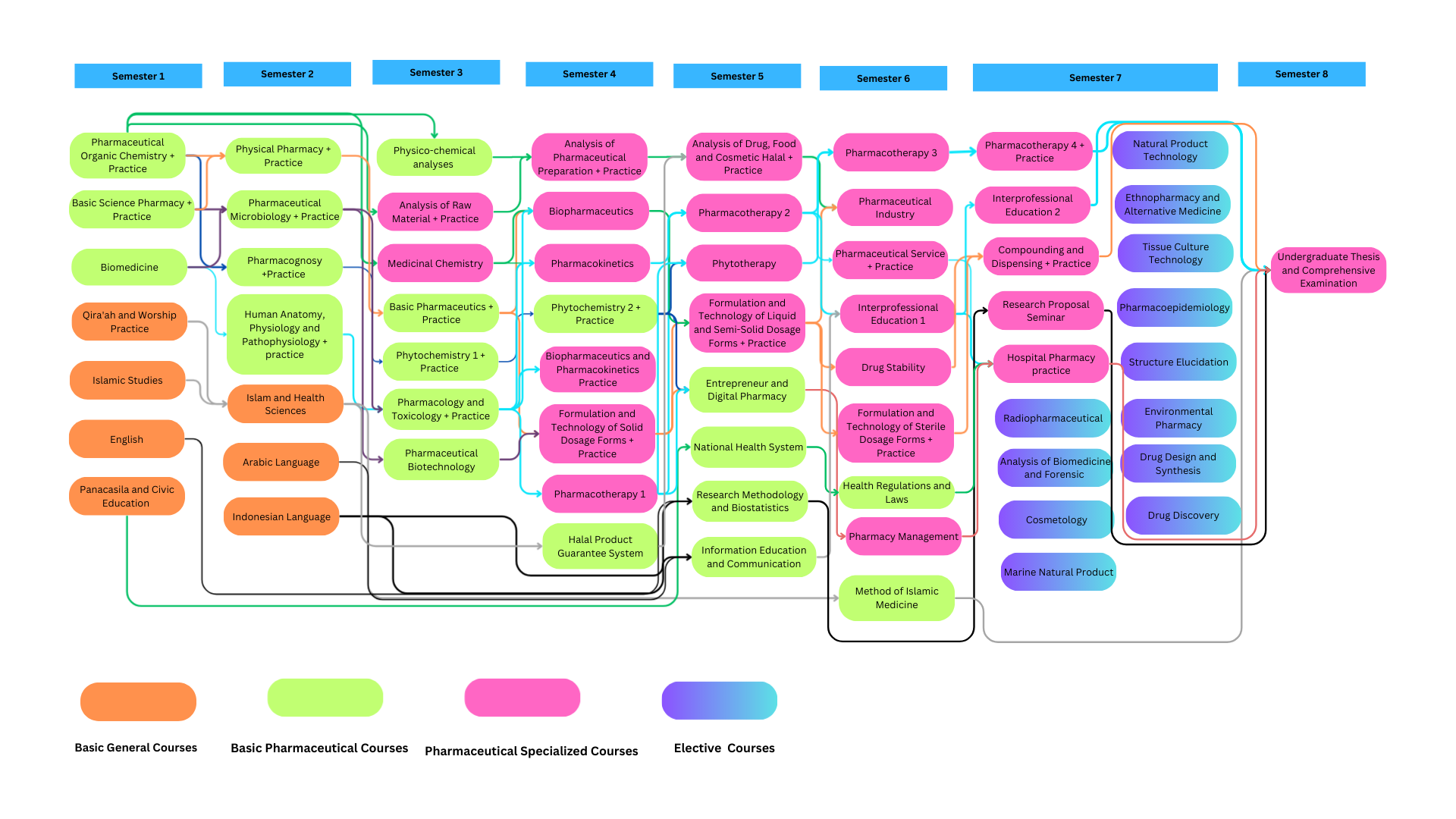

Curriculum Book
Download Curriculum Book
File: PDF (.pdf)

Academic Guideline
Download Academic Guideline
File: PDF (.pdf)
Module Handbook
Download Module Handbook
File: PDF (.pdf)

Prof. Dr. Zilhadia, MSi, Apt
| NIP/NIDN | 197308222008012007 |
| Fields of Study | Pharmaceutical Analysis and Drug Halal Compliance |
| zilhadia@uinjkt.ac.id | |

Staff Handbook |
|

Dr. Nurmeilis, MSi, Apt
| NIP/NIDN | 197407302005012000 |
| Fields of Study | Pharmacology |
| nurmeilis@uinjkt.ac.id | |
Staff Handbook |
|

Nelly Suryani, MSi, PhD, Apt
| NIP/NIDN | 196510242005012001 |
| Fields of Study | Pharmaceutical Technology |
| nelly.suryani@uinjkt.ac.id | |
Staff Handbook |
|

Dr. Azrifitria, MSi, Apt
| NIP/NIDN | 197211272005012004 |
| Fields of Study | Pharmacology |
| azrifitria@uinjkt.ac.id | |
Staff Handbook |
|

Ismiarni Komala, MSc, PhD, Apt
| NIP/NIDN | 197806302006042001 |
| Fields of Study | Natural Product Chemistry |
| ikomala@uinjkt.ac.id | |
Staff Handbook |
|

apt. Sabrina, M.Si., Ph.D.
| NIP/NIDN | 197902222007102001 |
| Fields of Study | Pharmaceutical Technology |
| sabrina@uinjkt.ac.id | |
Staff Handbook |
|

Dr. Apt. Eka Putri, MSi.
| NIP/NIDN | 197905172009122002 |
| Fields of Study | Natural Product Chemistry |
| eka.putri@uinjkt.ac.id | |
Staff Handbook |
|

Yuni anggraeni, MSi, Apt
| NIP/NIDN | 198310282009012008 |
| Fields of Study | Pharmaceutical Technology |
| yuni.aggraeni@uinjkt.ac.id | |
Staff Handbook |
|

Ofa Suzanti Betha, MSi, Apt
| NIP/NIDN | 197501042009122001 |
| Fields of Study | Pharmaceutical Technology |
| ofabetha@uinjkt.ac.id | |
Staff Handbook |
|

Yardi, MSi, PhD, Apt
| NIP/NIDN | 197411232008011014 |
| Fields of Study | Pharmacology / Clinical Pharmacy |
| yardi@uinjkt.ac.id | |
Staff Handbook |
|

apt. Puteri Amelia, M.Farm., Ph.D.
| NIP/NIDN | 198012042011012004 |
| Fields of Study | Natural Product Chemistry |
| puteri.amelia@uinjkt.ac.id | |
Staff Handbook |
|

Dr. apt. Lina Elfita, M.Si.
| NIP/NIDN | 197312122011012002 |
| Fields of Study | Biomedicine |
| lina.elfita@uinjkt.ac.id | |
Staff Handbook |
|

Hendri Aldrat, MSi, Apt
| NIP/NIDN | 197405212005011002 |
| Fields of Study | Pharmaceutical Chemistry |
| hendri@uinjkt.ac.id | |
Staff Handbook |
|

Dr. apt. Supandi, M.Si.
| NIP/NIDN | - |
| Fields of Study | Pharmaceutical Chemistry |
| supandi@uinjkt.ac.id | |
Staff Handbook |
|

Apt. Suci Ahda Novitri, M.Si.
| NIP/NIDN | 199011122019032010 |
| Fields of Study | Pharmaceutical Science |
| suci.ahda@uinjkt.ac.id | |
Staff Handbook |
|

apt. Estu Mahanani Dhilasari, M.Si.
| NIP/NIDN | 198909142020122009 |
| Fields of Study | Pharmaceutical Technology |
| estu.maharani@uinjkt.ac.id | |
Staff Handbook |
|

apt. Vivi Anggia, M. Farm.
| NIP/NIDN | 198702132022032002 |
| Fields of Study | Natural Material Chemistry |
| vivi.anggia@gmail.com | |
Staff Handbook |
|

Marvel, M.Farm.
| NIP/NIDN | 198703192018011002 |
| Fields of Study | Pharmacy |
| marvel@uinjkt.ac.id | |
Staff Handbook |
|

Dr. Isra Janatiningrum, M.Si
| NIP/NIDN | 199301142020122017 |
| Fields of Study | Microbiology |
| isra.janatiningrum@uinjkt.ac.id | |
Staff Handbook |
|

apt. Mita Restinia, M.Farm
| NIP/NIDN | 198807252020122014 |
| Fields of Study | Community and Clinical Pharmacy |
| mita_restinia@uinjkt.ac.id | |
Staff Handbook |
|

Andzar Fikranus Shofa, M.Farm.
| NIP/NIDN | 0408039201 |
| Fields of Study | Natural Ingredients Pharmacy |
| andzar@uinjkt.ac.id | |
Staff Handbook |
|

apt. Mabrurotul Mustafidah, M.Pharm.Sci
| NIP/NIDN | 2008099501 |
| Fields of Study | Pharmaceutical Chemistry |
| mabrurotul@uinjkt.ac.id | |
Staff Handbook |
|

apt. Barita Juliano Siregar, M.M.
| NIP/NIDN | 2011077402 |
| Fields of Study | Pharmaceutical Technology |
| barita.juliano@uinjkt.ac.id | |
Staff Handbook |
|

apt. Rosa Adelina, S.Farm, Apt., M.Sc
| NIP/NIDN | 198708222010122003 |
| Fields of Study | Pharmaceutical Chemistry |
| rosa.adelina@uinjkt.ac.id | |
Staff Handbook |
|
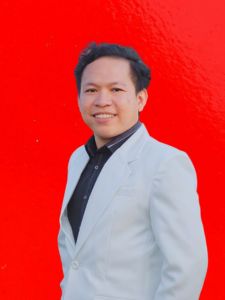
Apt. Adha Dastu Illahi, M.Farm
| NIP/NIDN | 199704182025051007 |
| Fields of Study | Pharmaceutical Chemistry |
| adha.dastu@uinjkt.ac.id | |
Staff Handbook |
|
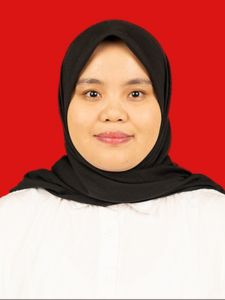
apt. Delila Eliza, , M.Farm
| NIP/NIDN | 199512152025052007 |
| Fields of Study | Clinical Pharmacy |
| delila.eliza@uinjkt.ac.id | |
Staff Handbook |
|
Research and Community Service
Research productivity and innovation continue to increase through programs at the Institute for Research and Community Service (LPPM) of UIN Syarif Hidayatullah Jakarta and also the Ministry of Religious Affairs Research Grant for PTKIN lecturers. LPPM UIN Syarif Hidayatullah Jakarta provides a budget for research, international publications, collaborative research and visiting professors to increase the enthusiasm of lecturers in the UIN Syarif Hidayatullah Jakarta environment to conduct research that is in line with each lecturer's specialization. Similar budget allocation items are also provided by the Directorate of Islamic Higher Education of the Ministry of Religious Affairs of the Republic of Indonesia which can be accessed by all PTKIN lecturers throughout Indonesia.
Student Organization
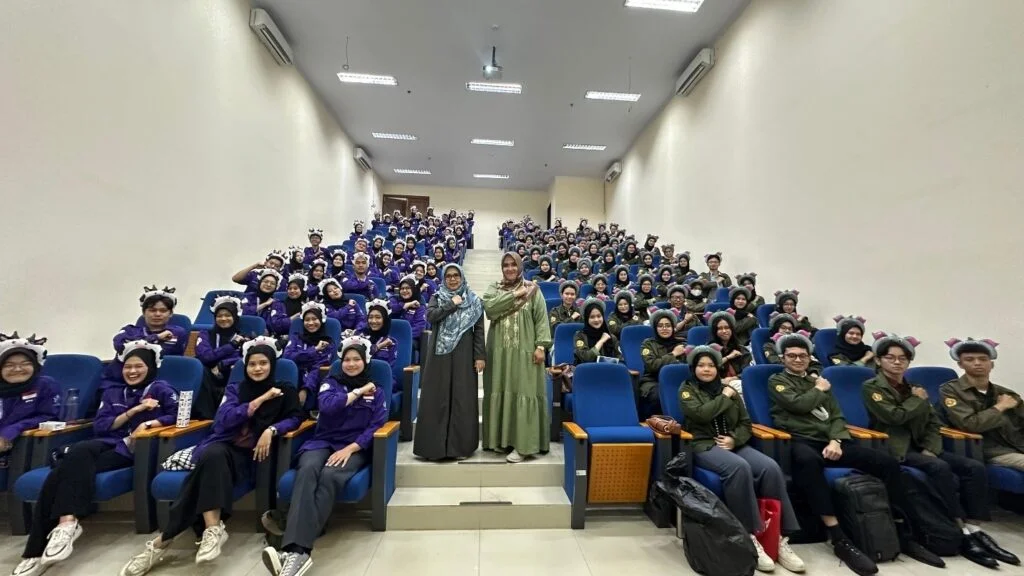
Pharmacy Student Association
The Pharmacy Student Association is a departmental student organization that serves as an executive body responsible for organizing activities related to reasoning or scientific inquiry, both in academic and non-academic fields.
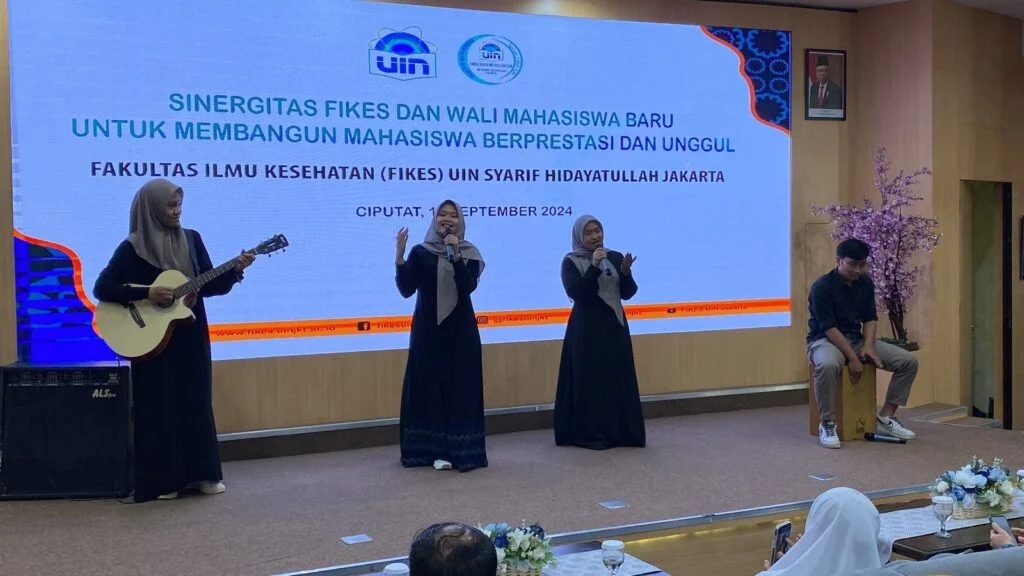
Pharmacy Music Community (PMC)
The Pharmacy Music Community (PMC) is one of the Scientific Specialization Organizations at the Faculty of Health Sciences, UIN Syarif Hidayatullah Jakarta. PMC aims to channel artistic talent in the field of music, with the hope that Pharmacy students can excel not only in academics but also in non-academic fields, particularly music. PMC also aims to produce individuals who understand and can develop vocal skills, master musical instruments, and create works in music.
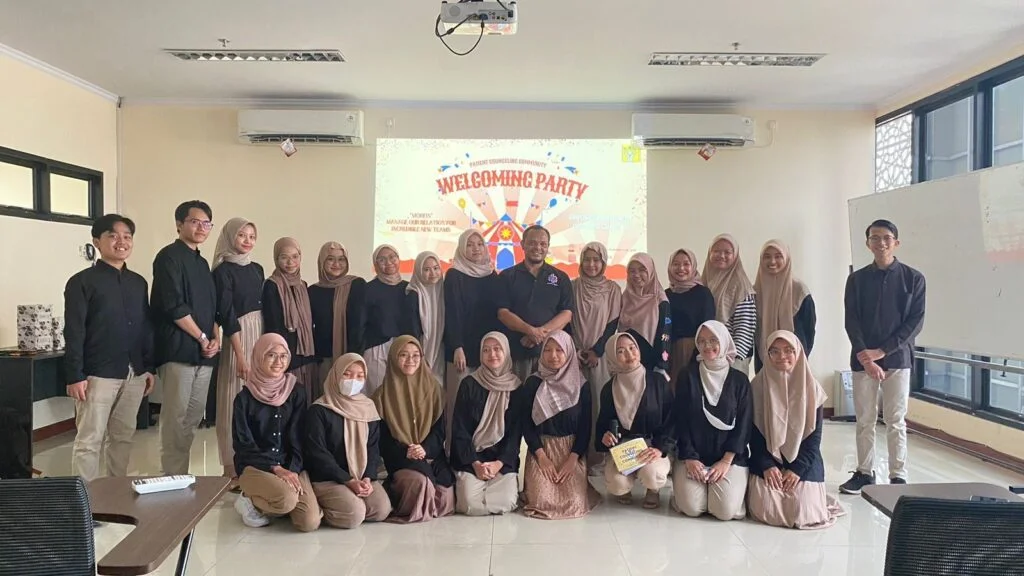
Patient Counseling Community (PCC)
The Patient Counseling Community (PCC) is a community of undergraduate Pharmacy students who wish to deepen their knowledge of patient counseling, helping Pharmacy students become familiar with counseling early on. The PCC at UIN Syarif Hidayatullah Jakarta consists of five departments: secretary, treasurer, training, competition, and media & communication.
Tuition fees
SINGLE TUITION FEE (UKT) LIST
UNDERGRADUATE STUDENTS (S1) ODD SEMESTER
2025/2026 ACADEMIC YEAR
Syarif Hidayataullah State Islamic University (UIN) Jakarta
| Study Program | Group.1 | Group.2 | Group.3 | Group.4 | Group.5 | Group.6 | Group.7 | STUDYING KIP |
|---|---|---|---|---|---|---|---|---|
| PHARMACY | 400.000 | 6.500.000 | 7.500.000 | 9.000.000 | 10.000.000 | 11.500.000 | 14.000.000 | 2.400.000 |
ANNOUNCEMENT LETTER OF UKT UIN SYARIF HIDAYATULLAH JAKARTA
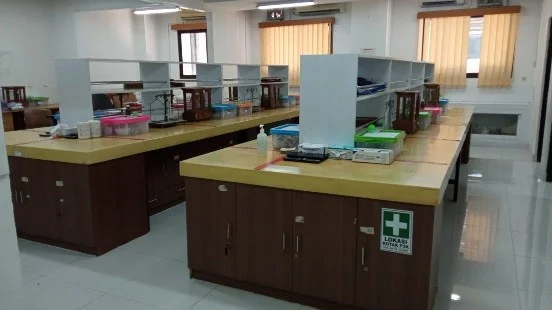
Solid Dosage Formulation Laboratory
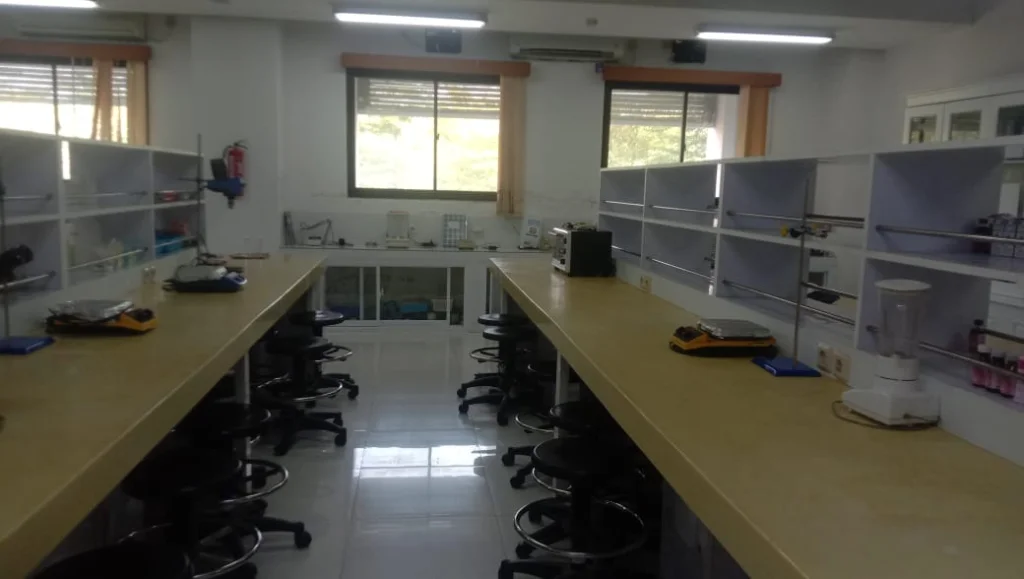
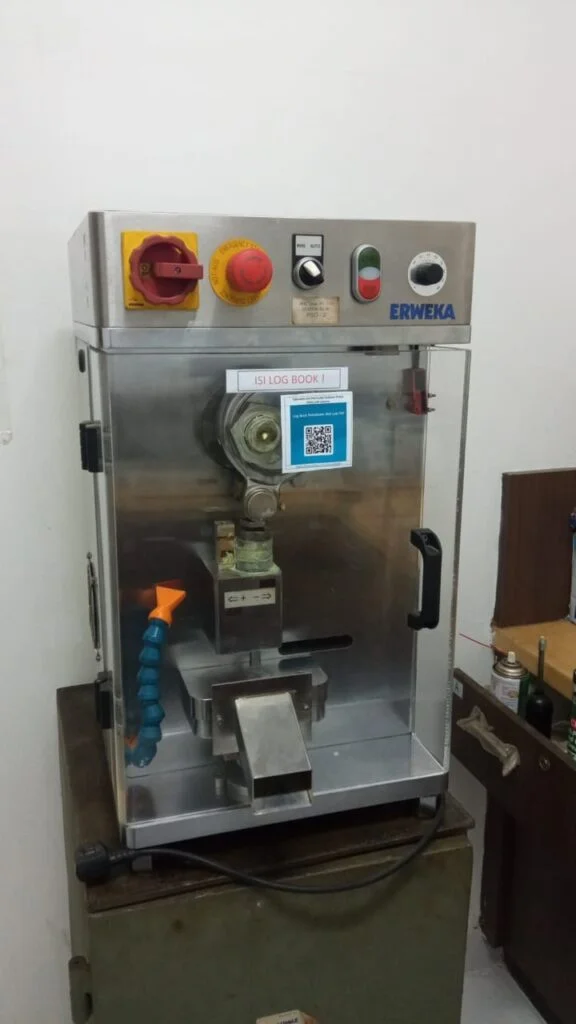
The Solid Dosage Formulation Laboratory is a crucial facility designed to support students and researchers in developing and analyzing solid pharmaceutical dosage forms. In this lab, students can gain hands-on experience in formulating, preparing, and evaluating solid dosage forms, such as tablets and capsules.
Practical activities include compounding, granulation, tableting, and quality control tests. The laboratory has essential instruments like tablet press machines, UV-Vis spectrophotometers, ovens, and testing devices for dissolution, disintegration, and hardness. These tools enable students to evaluate the performance and stability of solid dosage forms, ensuring that they meet pharmaceutical standards. This lab also serves as a research space for students and faculty engaged in developing new solid drug formulations, allowing for the exploration of innovative techniques and optimization of drug delivery systems. Through guided experimentation and research, the Solid Dosage Formulation Laboratory helps to bridge the gap between theoretical knowledge and real-world pharmaceutical applications.
Pharmaceutical Chemistry Laboratory
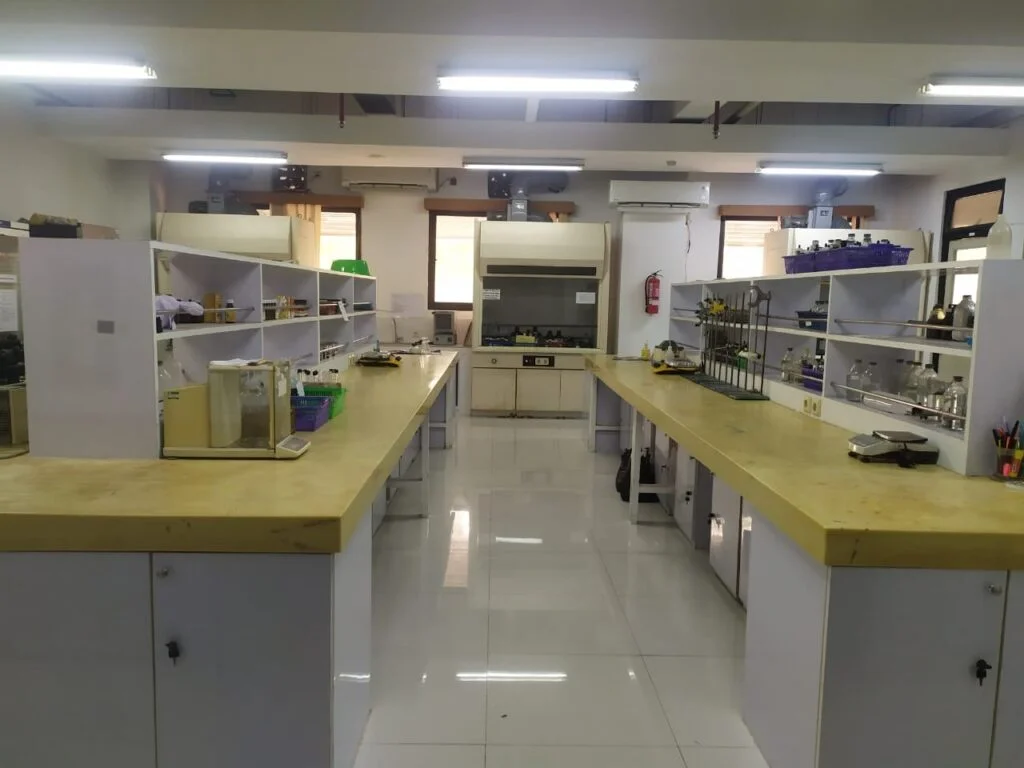
The Pharmaceutical Chemistry Laboratory oversees teaching, research, and community service while developing expertise in areas such as organic chemistry, drug synthesis, medicinal chemistry, and drug analysis using spectroscopic and chromatographic methods. The laboratory is equipped with advanced analytical instruments, including ultraviolet-visible (UV-Vis) spectrophotometers, pH meters, ovens, fume hoods, and more.
Additionally, the laboratory provides necessary chemicals and glassware for experiments. It serves as a practical space for various student activities, including organic chemistry practicums, raw material analysis, and pharmaceutical preparation analysis.
Sterile Laboratory
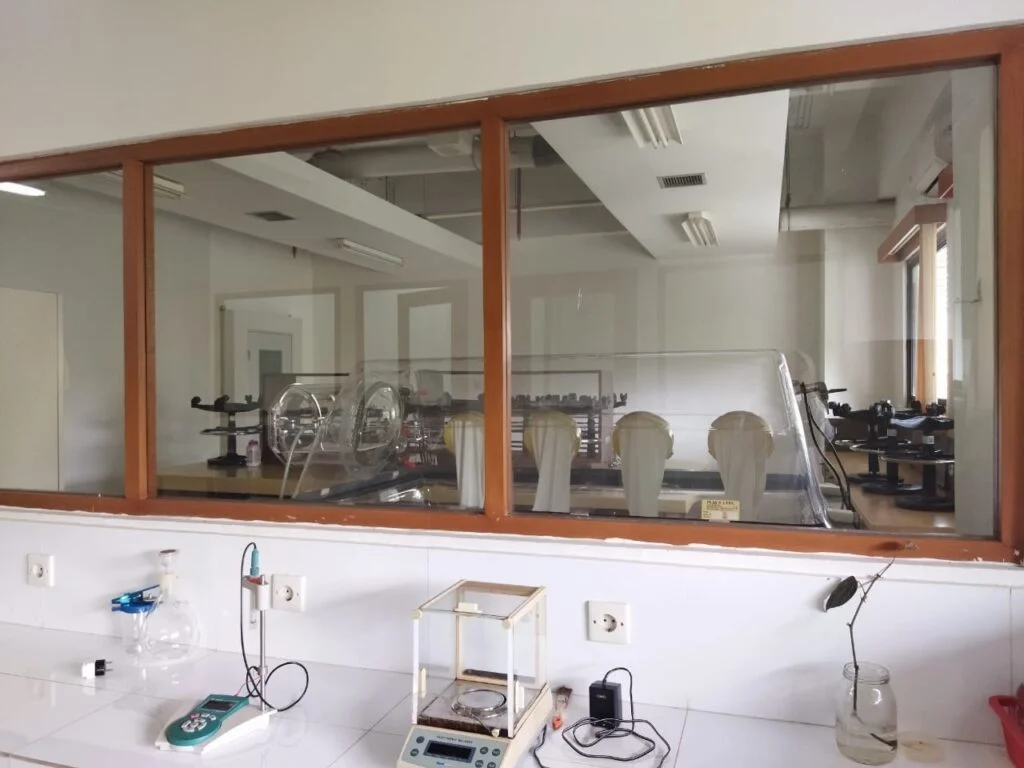
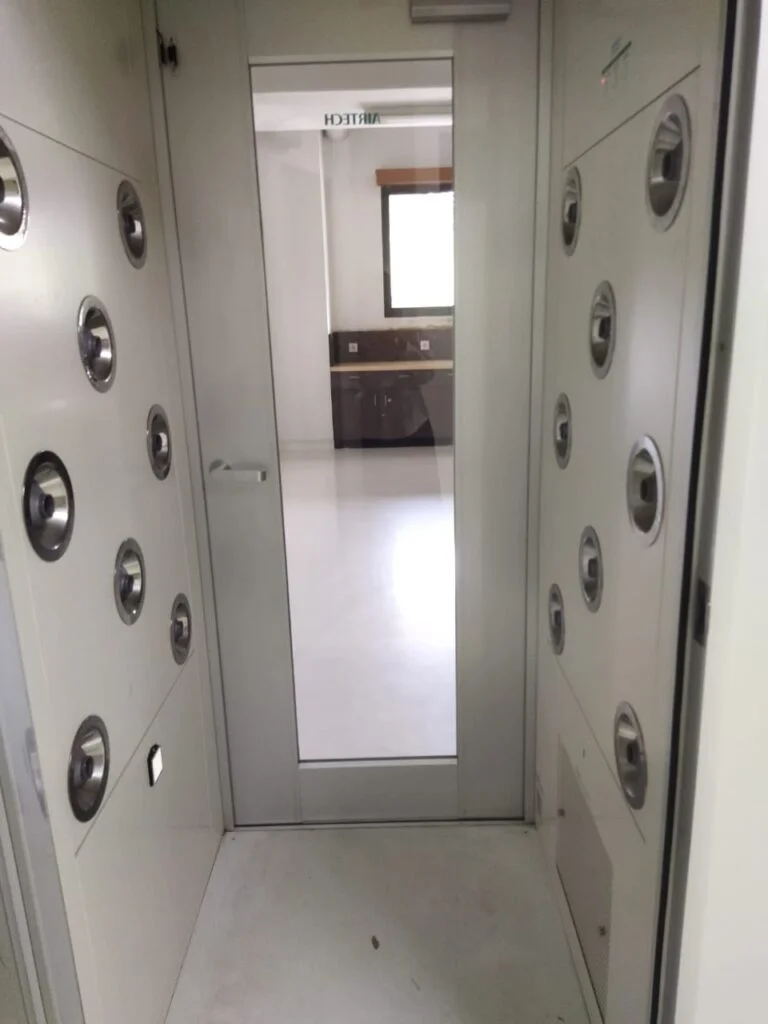
This laboratory is specifically used for the manufacture of sterile products, such as dosage forms: infusions, injections in the form of vials and ampoules, as well as other preparations that must be sterile such as eye drops, eye ointments. This Sterile Preparation Formulation Laboratory is designed in accordance with the rules of the sterile pharmaceutical industry, where based on the level of sterility consists of classrooms IV to I. The practicum held in this laboratory is the Sterile Preparation Pharmacology Practicum.
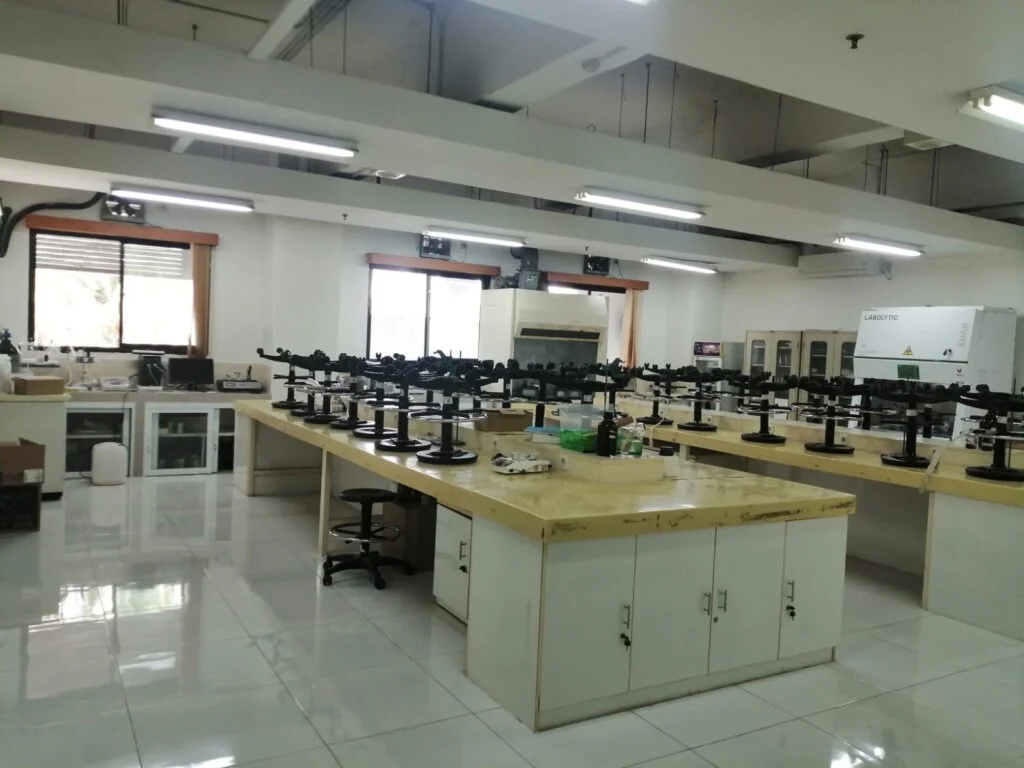
The Halal Food and Drug Analysis Laboratory
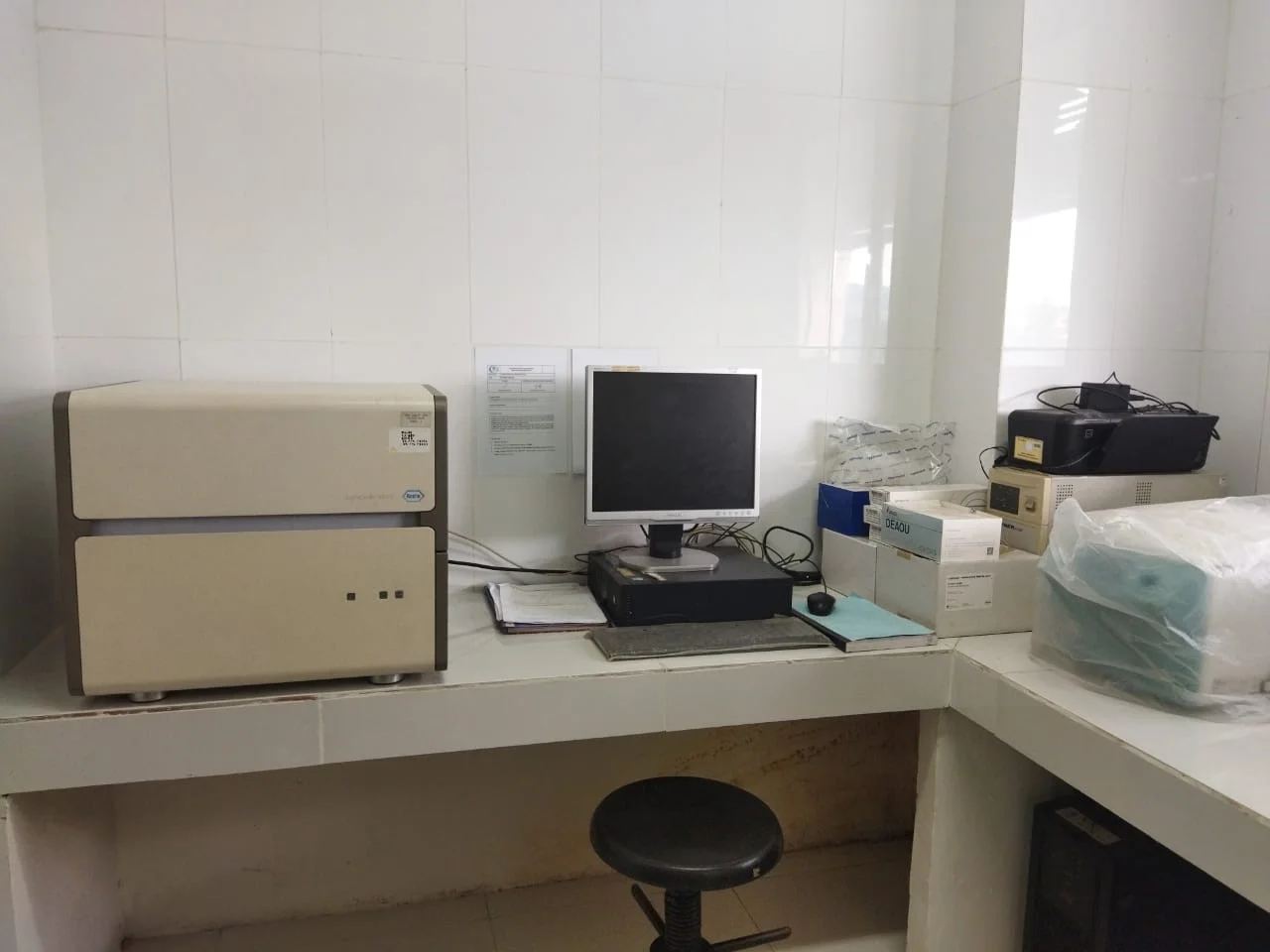
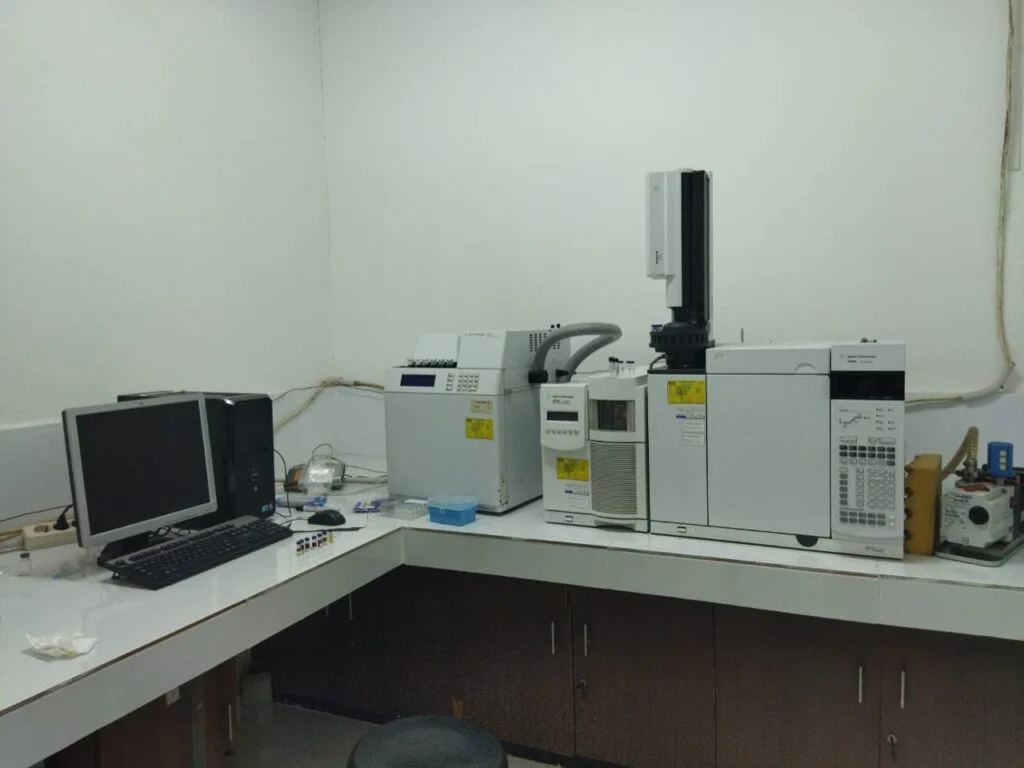
The Halal Food and Drug Analysis Laboratory is dedicated to conducting practical analyses of the halal status of pharmaceuticals and food products. This laboratory is equipped with advanced instruments, including Polymerase Chain Reaction (PCR) machines, Fourier Transform Infrared Spectroscopy (FTIR), Gas Chromatography-Mass Spectrometry (GC-MS), analytical balances, and a variety of glassware. In addition to its primary function in halal analysis, the laboratory also serves as a research facility for students, providing them with the opportunity to engage in innovative projects and studies related to halal standards in food and pharmaceuticals.
The Pharmacognosy and Phytochemistry Laboratory
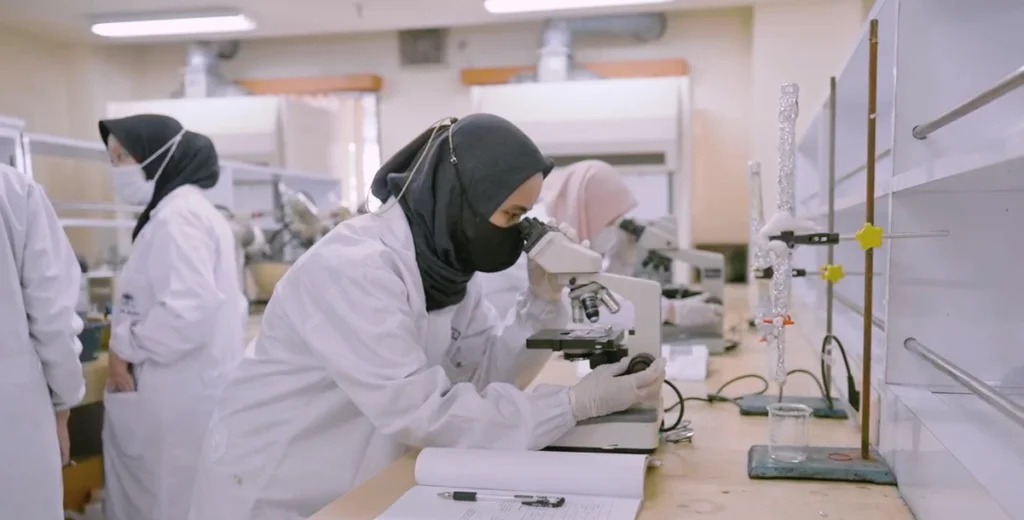
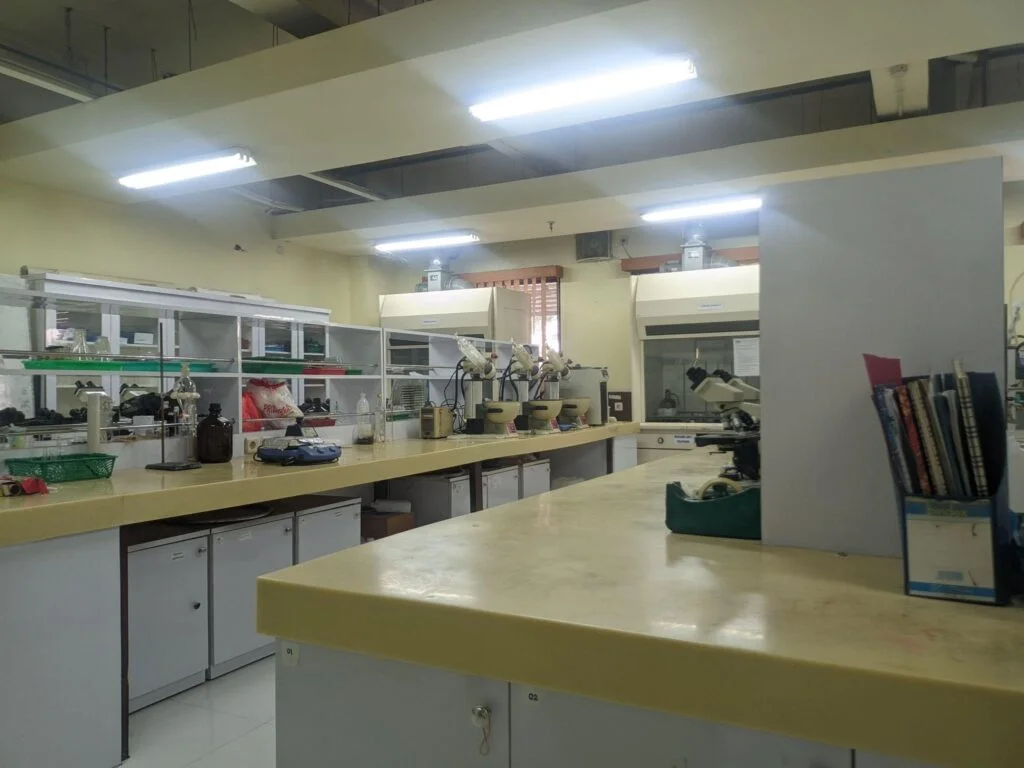
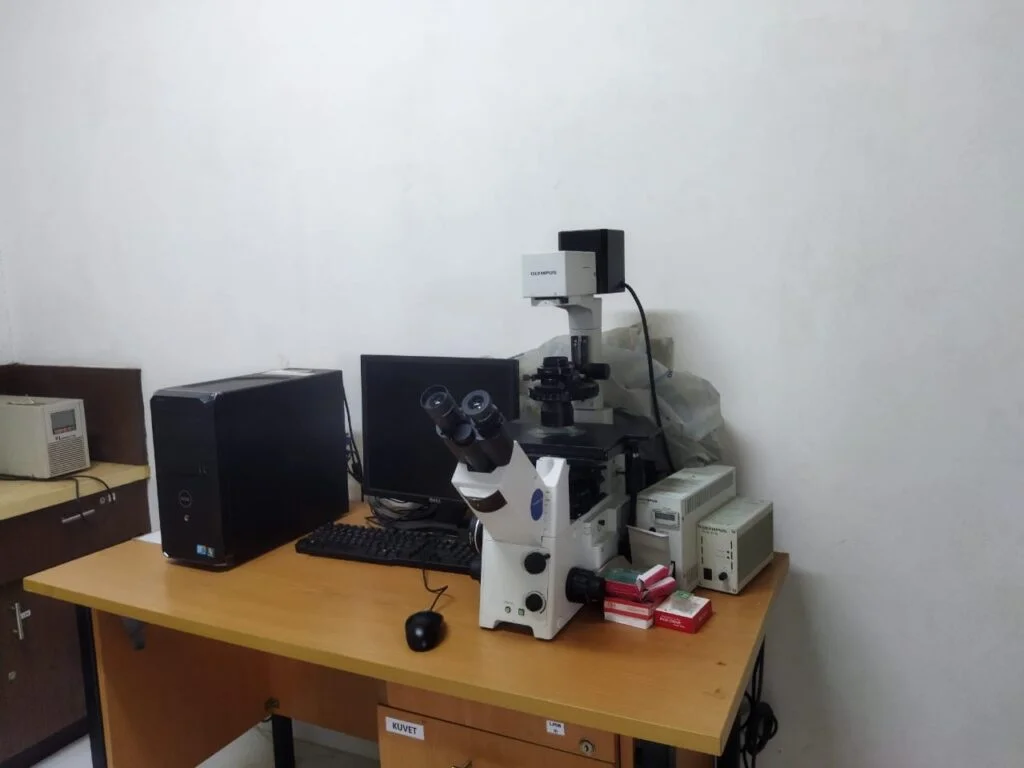
The Pharmacognosy and Phytochemistry Laboratory serves as a vital space for practical training in pharmacognosy, phytochemistry, microbiology, and basic pharmaceutical sciences. This laboratory is also dedicated to research activities focused on developing medicinal substances derived from plants, animals, and microorganisms, which play crucial roles in preventing, maintaining, and treating diseases.
In this laboratory, students and researchers can engage in a variety of practical activities, including: 1. Identification of medicinal plants through both macroscopic and microscopic examination. 2. Preparation of extracts from plant materials. 3. Qualitative and quantitative analysis of bioactive compounds in medicinal plants. 4. Microbiological testing and the application of biotechnology techniques relevant to the pharmaceutical field. The laboratory is equipped to facilitate these activities, fostering an environmen
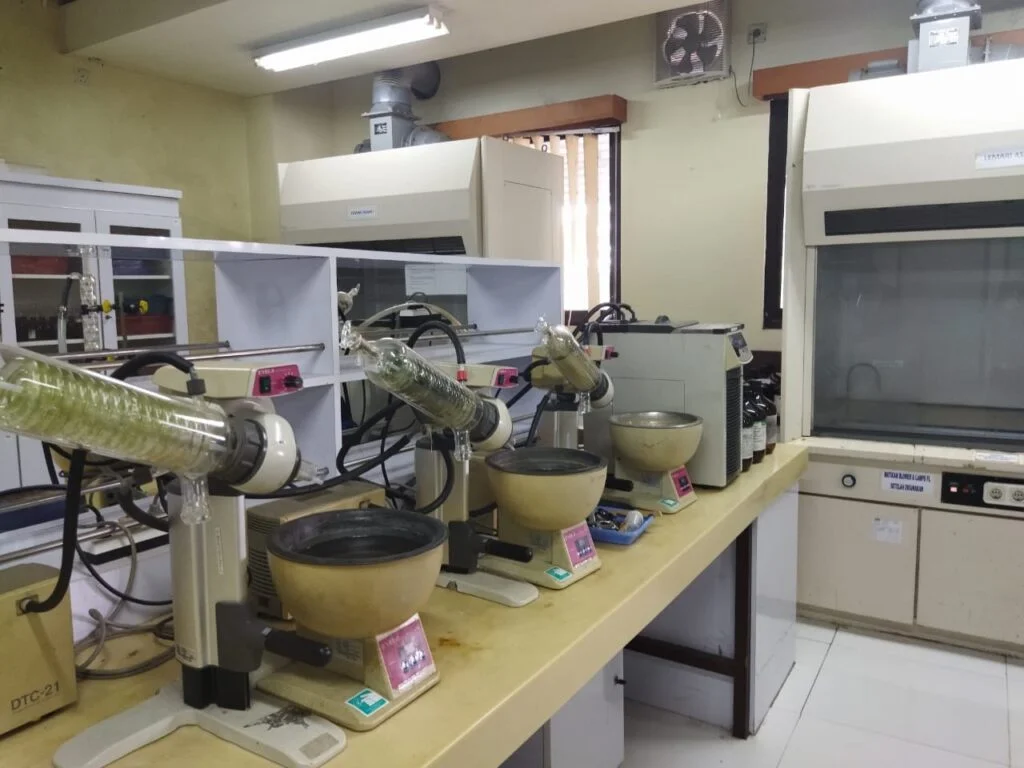
Research Laboratory I
The Research Laboratory I is dedicated to practical training and research activities for students focused on botanical studies. This laboratory is equipped with essential instruments to support various experiments and investigations, including evaporators for concentration and purification processes, microscopes for detailed examination of plant structures, and UV-Vis spectrophotometers for analyzing the absorbance and concentration of compounds in plant extracts.
The laboratory provides an ideal environment for students to engage in hands-on learning and conduct innovative research related to plant biology, phytochemistry, and the development of natural products, thereby enhancing their understanding of the significance of plants in pharmaceutical and scientific applications.
Research Laboratory II
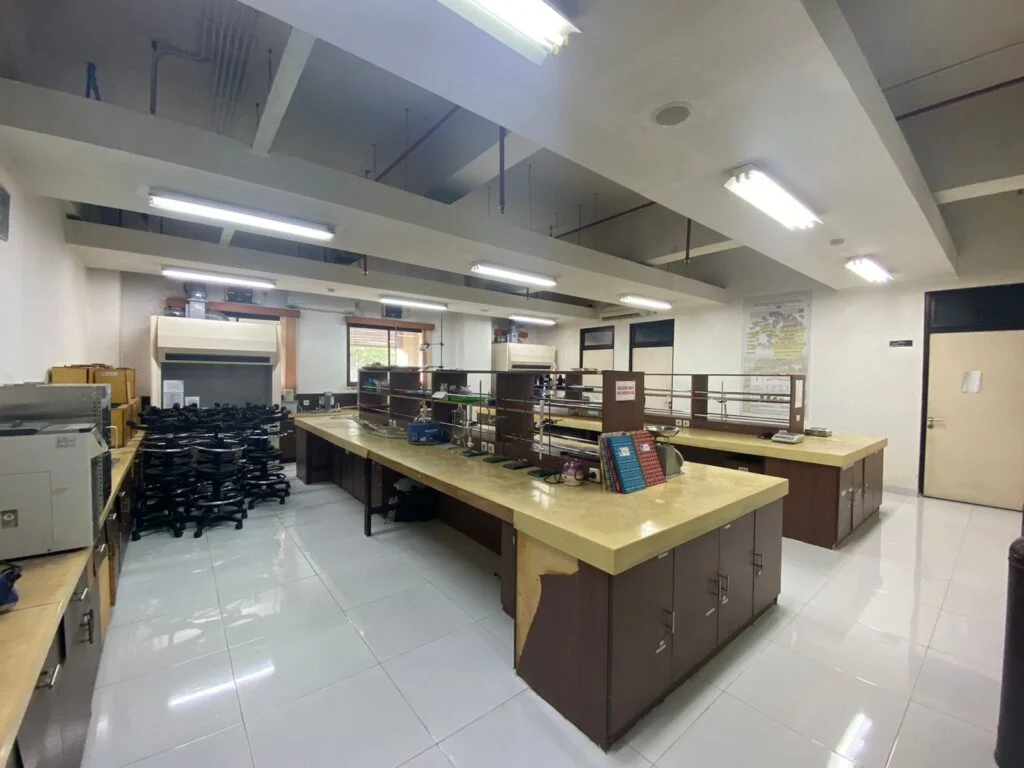
The Research Laboratory is a dedicated space for both student and faculty research, supporting a wide range of scientific investigations. In addition to research, the laboratory is also used for practical courses, including physical pharmacy, liquid and semi-solid preparation technology, biopharmaceuticals, pharmacokinetics, and pharmaceutical services.
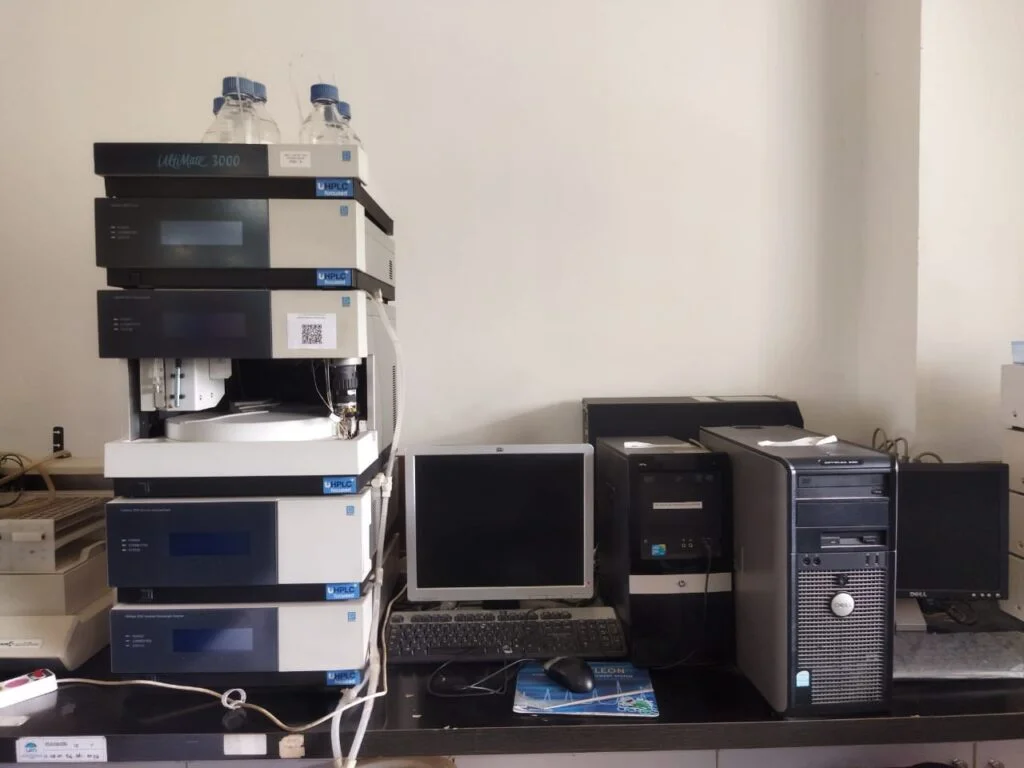
The lab is equipped with essential instruments such as High-Performance Liquid Chromatography (HPLC), pH meters, Brookfield viscometers, analytical balances, and an extensive collection of glassware, providing the necessary tools for advanced experimentation and hands-on learning.